


Tellus id nisl blandit vitae quam magna nisl aliquet aliquam arcu ultricies commodo felisoler massa ipsum erat non sit amet.
Popular articles
Key Highlights
- Professional web design enhances your brand identity, creating a memorable first impression and boosting your digital presence.
- A well-designed website improves user experience by focusing on ease of use and accessibility across devices.
- Effective web design blends layout, visual elements, strong navigation, SEO strategies, and persuasive content for optimal results.
- Choosing between a web design agency and freelancers depends on factors like budget, expertise, timeline, and desired scalability.
- Comprehensive web design services ensure consistent support, help meet business goals, and adapt to ongoing technological trends.
In today’s digital marketing landscape, web design plays a pivotal role in shaping a brand’s identity. Your website serves as your online storefront, leaving a lasting impression on potential customers and influencing their decisions about your business. A strong web design not only captivates with exceptional aesthetics but also integrates functionality crucial for conversion rate improvement. Partnering with skilled professionals can revolutionize your web presence, help achieve your business goals, and secure a competitive edge.
Understanding the Impact of Professional Web Design
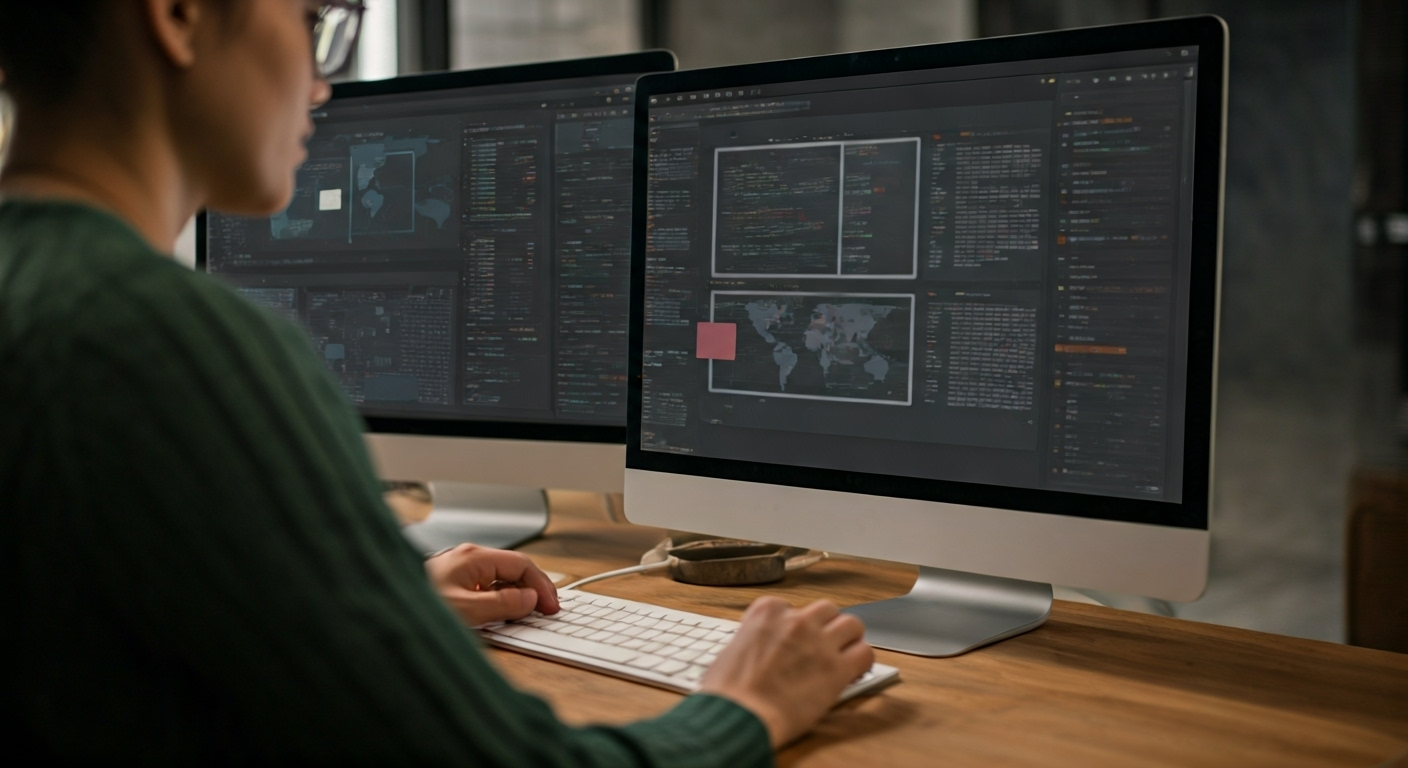
A polished, professional website profoundly impacts your online visibility and brand perception. It’s often the first touchpoint for potential customers, setting the foundation for trust and engagement. Website design lays emphasis on aesthetics, web development, and functional features, ensuring users feel valued and inspired to explore further.
Moreover, a professionally designed website optimises conversion rate and streamlines navigation, offering seamless user experiences. By meeting modern expectations, it positions your digital presence for sustained growth and increased lead generation.
The Role of Web Design in Brand Identity
Your website reflects your brand identity, acting as the visual representation of who you are as a business. A clean, custom web design communicates professionalism, showcasing your values and mission. The first impression visitors get from your site can determine their perception of your company’s credibility and reliability.
Effective website design also aligns visual elements with brand guidelines to create a cohesive, impactful look. Graphic design and web design specialists thoughtfully choose logos, colors, and fonts that resonate with your audience.
Additionally, enhancing your digital presence leads to consistent branding across all interactions, from social media to search engines. Investing in strategic web design lets you stand out, converting potential customers and fostering lasting brand loyalty.
How Web Design Influences User Experience
User experience (UX) begins the moment a visitor lands on your site, with ease of use playing a critical role in their journey. Intuitive navigation enables users to quickly find the information they need, encouraging them to engage further.
Good web design ensures your website is responsive and adapts to various screen sizes, catering to mobile users. Custom website design maximises functionality while delivering seamless transitions between website elements.
An improved online presence means combining aesthetic appeal and technical expertise. When visitors enjoy spending time on your site, you’re more likely to gain loyal customers, increasing conversion rates and fostering repeat interactions.
Key Components of Effective Web Design
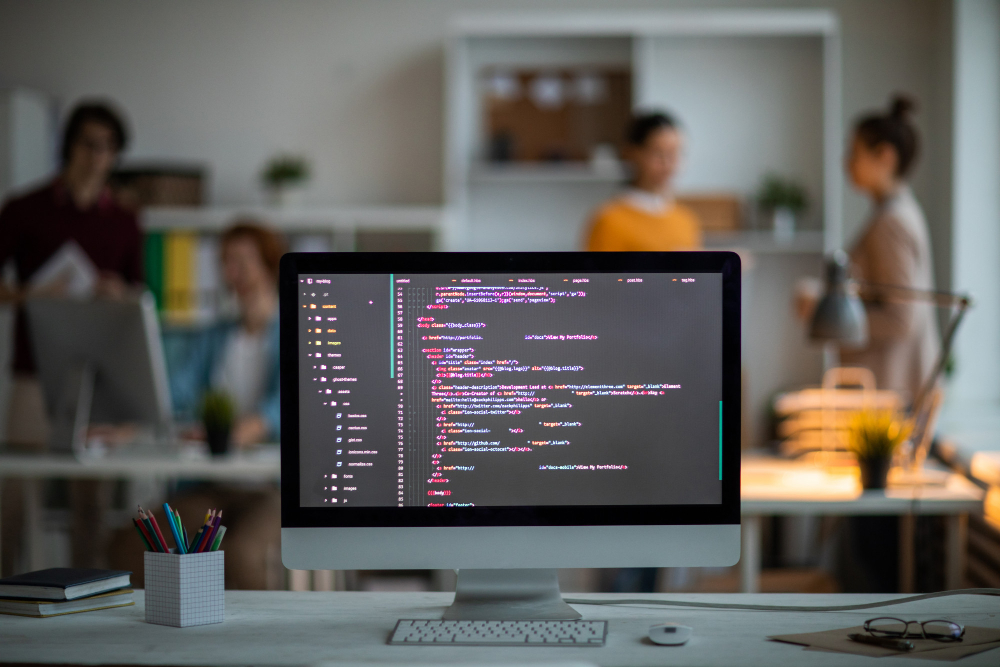
Crafting an effective web design involves integrating visual appeal, user-friendly navigation, and strong SEO strategies. Each website element plays a role in delivering a seamless experience that satisfies both users and search engines.
From layout and screen size optimisation to content marketing and ease of use, every aspect contributes to successful web design projects. As businesses grow, investing in these fundamental components ensures long-term digital health and higher lead generation.
Layout and Visual Elements
Designing a website layout requires careful attention to screen size, aligning creativity with usability for maximum impact. Responsive graphic design ensures your site looks visually stunning while accommodating different resolutions across devices.
Website elements like images, typography, and animations should complement your brand identity while keeping visitors engaged. Balanced aesthetics and functionality result in a memorable user experience.
A web design project thrives when layout considerations include thoughtful spacing, intuitive graphic design, and engaging visuals that invite users to interact and explore further.
Navigation and User Interface
Navigation is the backbone of solid user experience, leading visitors quickly to their desired destination. Easy-to-use menus, search features, and call-to-action buttons ensure your website is simple yet effective.
A streamlined user interface enhances visitor satisfaction, creating a frictionless pathway across pages. Web design companies and agencies employ best practices to harmoniously blend form, function, and ease of use.
Masterful UI and navigation keep visitors interested, allowing your website to serve as an efficient marketing and conversion tool.
Content Strategy and SEO
Website content must provide meaningful information while being optimised for search engines. Combining seo strategies with content marketing strengthens visibility.
Choosing the Right Web Design Service

Deciding between web design agencies and freelancers depends on your project's scope and budget. Agencies often deliver robust solutions with diverse teams, while freelancers can offer personalised flexibility.
Look for professional web design companies with a proven track record, client testimonials, and ongoing support. Carefully evaluating options ensures your business goals align with the chosen web design service.
Agency vs. Freelancer: Pros and Cons
When weighing agencies versus freelancers, consider their strengths and limitations.
| **Web Design Agency**                | **Freelancer**                      |
|-------------------------------------|--------------------------------------|
| Access to a team of experts         | Individual creativity and focus      |
| Employs cutting-edge tools          | Affordability                        |
| Strong ongoing support              | Direct collaboration                 |
| Higher costs                        | Limited resources                    |
| Established reliability             | Communication challenges             |
Your ideal choice depends on your business goals, timeline, and desired scalability.
What to Look for in a Web Design Agency
Selecting a web design agency requires assessing expertise, understanding business goals, and reviewing industry credibility. Choosing an agency with strong client testimonials demonstrates their ability to deliver results.
Beyond branding and aesthetics, ensure the agency offers professional web design integrated with reliable SEO strategies and innovative solutions. Confirm transparency in pricing and ongoing support to maintain digital health.
Partnering with a web design agency that aligns with your vision guarantees a transformative web presence with meaningful connections and engagement.
Questions to Ask Potential Web Design Partners
Asking key questions solidifies your confidence when choosing a web design partner. Seek clarification on their web design process and confirm their adherence to business goals and brand guidelines.
Does the team offer free consultations, and will ongoing support be available post-launch? Test readiness for collaborative discussions involving marketing teams, content management systems, and digital strategy.
Aligning priorities ensures you secure a partner capable of effective website design services tailored to your project's success.
The Web Design Process: A Step-by-Step Guide
Transforming your online presence involves multiple stages, each contributing to the end result. From initial ideas to fine-tuning functionality, professional web designers oversee every aspect with precision.
By following clear steps—goal setting, wireframing, coding, and post-launch support—you ensure quality assurance and lead generation become integral parts of your web development journey.
Initial Consultation and Goal Setting
Understanding your business goals starts with insightful consultations. Professional web design services discuss digital strategy, aligning your vision with practical website objectives.
Experienced marketing teams gather information about project timelines and brand positioning. Comprehensive brainstorming sessions lay the foundation for a web design process tailored to your needs.
This collaborative beginning invites fresh ideas and guides the design company toward creating a meaningful, user-centric website.
Wireframing and Mockups
Wireframing is where your vision begins to take shape. Creative digital marketing strategies combine usability with aesthetics, translating concepts into visually captivating blueprints.
Mockups provide previews of your brand guidelines, illustrating the web design agency's commitment to custom solutions. Experimenting with layouts ensures your team can refine website elements before moving forward.
By leveraging expertise in design companies, wireframing bridges ideas with functionality, setting clear milestones for digital experiences.
Development and Coding
Programming brings your web design to life, with development teams skilled in crafting interactive, professional websites.
Web development integrates CMS platforms and ensures your site is cohesive, responsive, and SEO-friendly. Additionally, engaging digital experiences involve seamless back-end coding and functionality.
Collaborating with development experts ensures your site aligns with search engine optimization best practices, growing your conversion rate.
Testing and Launch
Quality assurance is the critical phase where web design is fine-tuned. Expert web designers test functionality, ensure responsiveness, and rectify any inconsistencies before launching your website.
Your website’s debut marks the culmination of efforts to increase lead generation. Post-launch reviews will evaluate conversion rate optimization and help solidify online visibility.
A successful launch stands as proof of an efficient and professional web design process.
Trends in Web Design for 2025
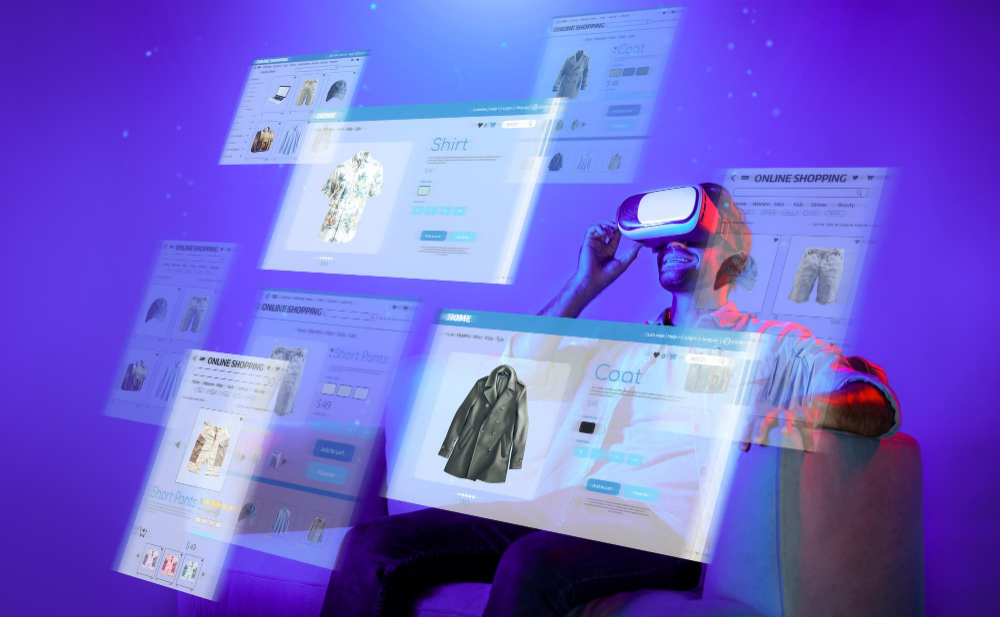
As you consider the future, modern web design adapts to trends rooted in innovation. Emerging technologies are shaping designs that combine functionality with personalisation.
Future web design will continue leveraging responsive design, accessibility, and evolving UI styles to engage users across ever-changing digital landscapes.
Emerging Technologies and Their Impact
Artificial intelligence and machine learning have revolutionised web development, offering smarter algorithms to enhance user experiences.
New technologies like smart automation create intuitive features, while AI innovations personalise layouts to meet user needs. Machine learning advances will improve customization, ensuring websites adapt to dynamic market demands.
Web design agencies embracing these innovations are instrumental in securing forward-thinking, impactful designs.
Design Trends That Are Shaping the Future
Responsive design remains a hallmark of engaging websites, adapting effortlessly to different screen sizes. Future trends focus on intuitive UI design, simplifying the user journey while maintaining sophistication.
Thoughtful website design blends accessibility, aesthetics, and functionality. Incorporating creative solutions ensures web designers produce interactive, user-centric experiences.
As technology progresses, design companies refine their methods, sculpting progressive trends that consistently resonate and captivate.
Accessibility and Inclusive Design Practices
Inclusive design ensures your website accommodates all users, including those with disabilities. Accessibility employs industry best practices to create welcoming spaces for diverse audiences.
Design companies prioritise readability, graphics, and user-friendly navigation, utilising digital marketing tools to enhance experiences.
An accessible web presence communicates care and inclusivity, inviting loyal customers and expanding user engagement.
Case Studies: Successful Web Design Projects
Text-rich examples highlight innovative web redesigns that transformed brand identity and online engagement. With professional web design, businesses achieve higher conversion rates and organic traffic.
Case studies spotlight results delivered by experienced teams, affirming web design agencies as vital for sustained success.
E-commerce Success Through Design Innovation
Atlas Oil revamped its industrial brand image with custom development and streamlined online order scheduling, boosting conversions by over 700%.
Similarly, Boat & RV Accessories achieved stellar results with a website redesign and SEO strategies, increasing online revenue by an impressive 659%.
Both case studies reflect the power of innovative e-commerce solutions, highlighting the impact strategic web design has on boosting visibility and driving conversion rates.
Boosting Engagement with Interactive Elements
Interactive websites energise user engagement, encouraging repeat visits and brand loyalty. Web design companies craft sites with tailored elements and call-to-actions to generate excitement.
Digital marketing services integrate interactive design to revolutionise user experiences, boosting conversion rates. Successful projects showcase effective strategies for improving brand visibility online.
Whether exploring case studies or designing anew, interactive websites remain a top choice, enhancing customer satisfaction and supporting business goals.
Revamping a Brand with Strategic Redesign
Strategic redesign harmonizes brand identity with modern appeal. K2 Awards increased revenue by over 130% following a complete overhaul that included innovative features and ERP integration.
Rebuilding online presence involves aligning brand identity with custom website goals. Utilising the best practices in web redesign, businesses can elevate both user experience and conversion rates.
These initiatives demonstrate the transformative power professional web design affords evolving businesses. It’s a path toward recognisable, lasting success.
Measuring the Success of Your Web Design
Success metrics matter. Key performance indicators (KPIs) track visibility, traffic, conversion rates, and user engagement post-launch.
Employing analytical tools ensures your website design serves strategic business objectives, facilitating continual improvement as the digital landscape evolves.
Key Performance Indicators (KPIs) for Web Design
Measuring the effectiveness of a website design is essential for achieving business goals. Key performance indicators (KPIs) enable web designers to evaluate the impact of their digital experiences. Metrics such as conversion rates, bounce rates, and average session duration provide insights into user engagement and retention. Additionally, tracking organic traffic and search engine rankings can highlight the effectiveness of SEO strategies. Utilizing KPIs allows teams to optimize their efforts, ensuring that website elements not only attract potential customers but also foster a loyal user base, thereby enhancing the overall web presence.
Tools and Techniques for Web Design Analysis
Analyzing web design effectively requires a strategic approach using various tools and techniques. Heatmaps, for instance, track user interaction and visual engagement, providing insights into areas needing improvement. A/B testing is crucial for understanding user preferences, allowing designers to compare versions and optimize the user experience. Additionally, analytic platforms like Google Analytics uncover valuable data on user behavior and traffic sources, guiding design decisions to enhance conversion rates. Implementing these tools empowers web designers to continuously refine their projects and align web design with business goals, ultimately driving better results and fostering a robust online presence.
Continual Improvement and Iteration
Evolving a website is a dynamic journey that emphasizes continual improvement and iteration. A successful web design process incorporates regular updates based on user feedback and data analysis, ensuring the website aligns with business goals and enhances user experience. By employing A/B testing and user behavior analytics, designers can identify areas needing enhancement, making informed decisions that boost conversion rates. Collaborating with a skilled web design agency can facilitate these iterative processes, providing insights that shape the website’s direction. This adaptive approach ensures the digital presence remains relevant and effective as market demands evolve.
Custom Solutions for Diverse Industries
Tailored web design approaches cater to unique sector requirements, ensuring a robust digital presence across diverse industries. In healthcare, for instance, designs prioritize user experience and accessibility, enhancing patient engagement through intuitive interfaces. Educational institutions benefit from engaging visuals and interactive elements that stimulate learning, while e-commerce sites focus on streamlined conversion paths, maximizing sales through compelling user journeys. Emphasis on responsive design guarantees seamless interactions, regardless of screen size or device. By collaborating with a specialized web design agency, businesses can achieve their goals, ultimately enhancing brand identity and attracting potential customers.
Web Design for Healthcare Professionals
A tailored approach to web design for healthcare professionals is essential in creating user-friendly platforms that enhance patient engagement. Prioritizing accessibility and effective communication can significantly improve the overall user experience. Incorporating responsive design ensures that the website looks great across all screen sizes, catering to diverse users, from tech-savvy millennials to older patients seeking vital health information. Additionally, integrating elements such as appointment scheduling and virtual consultations can streamline services for both patients and providers. Investing in SEO strategies further boosts online visibility, attracting potential patients while establishing a strong digital presence.
Creating Engaging Designs for Educational Institutions
Crafting engaging web designs for educational institutions requires a blend of user-friendly navigation and appealing visuals. Focusing on responsive design ensures that content is accessible across various devices, enhancing the user experience for students and faculty alike. Incorporating elements such as multimedia resources and interactive features can significantly boost organic traffic and encourage potential students to explore further. Additionally, aligning the website's aesthetics with the educational institution's brand identity strengthens its digital presence. Continuous feedback from users plays a vital role in refining these designs, ultimately elevating the overall educational experience.
E-commerce Designs That Convert
Creating e-commerce designs that convert effectively demands a keen understanding of user experience principles and digital marketing strategies. Essential elements like responsive design, intuitive navigation, and compelling calls to action can significantly enhance conversion rates. By integrating SEO strategies and ensuring that website elements align with brand identity, potential customers are more likely to engage and follow through on their purchases. Utilizing high-quality graphics and optimizing load speed can further elevate the shopping experience. A well-crafted e-commerce site not only attracts organic traffic but also fosters loyal customers, ultimately driving business goals forward.
Enhancing Your Website’s Security and Performance
A robust online presence requires more than just stunning visuals; safeguarding your website is equally essential to ensure user trust. Implementing best practices for website security, such as SSL certificates and regular vulnerability assessments, creates a solid foundation. Optimizing website speed significantly enhances user experience, leading to higher conversion rates. By leveraging responsive design techniques and efficient coding, your site adapts seamlessly across devices. Regular maintenance and updates further bolster performance and security, aligning with business goals and ensuring your digital experiences remain secure and efficient for your users.
Best Practices for Website Security
Implementing robust security measures is essential for safeguarding your online presence. Regular software updates ensure vulnerabilities are patched, while the use of HTTPS encrypts data exchanged with users, enhancing trust and security. Utilizing firewalls helps protect against unauthorized access, and implementing strong password policies minimizes risks related to user accounts. Additionally, employing regular backups guarantees that data can be restored in case of breaches or loss. Conducting vulnerability assessments can identify potential threats, allowing for quick mitigation. Prioritizing these best practices not only protects your website but also supports your business goals and enhances user experience.
Optimizing Website Speed for Better User Experience
A swift-loading website significantly enhances user experience and encourages ongoing engagement. Prioritizing elements like image optimization, leveraging browser caching, and minimizing HTTP requests can dramatically improve load times, which in turn aids conversion rate optimization. Additionally, responsive design ensures that your site performs well across varying screen sizes, further boosting organic traffic. Utilizing tools such as Google PageSpeed Insights can provide valuable insights and metrics essential for improvement. Implementing best practices for website speed ultimately contributes to better search engine rankings, solidifying your online presence and facilitating a seamless digital experience for potential customers.
Regular Maintenance and Updates
Ensuring a website remains effective and engaging involves regular maintenance and updates. This process includes consistent monitoring of website elements to enhance user experience while adapting to evolving digital marketing trends. Regular content updates not only keep potential customers informed but also favorably impact search engine rankings by promoting organic traffic. Incorporating feedback and implementing ongoing improvements hones a website’s design and functionality. A dedicated team of web designers can help streamline this process, reinforcing brand identity and maintaining a robust online presence that aligns with strategic business goals. Without diligent upkeep, even the best-designed websites can quickly become outdated.
Advanced Web Design Technologies
Emerging technologies are reshaping the landscape of web design, offering innovative approaches to enhance user experience and engagement. On the forefront, AI and machine learning algorithms enable personalized digital experiences, adapting content based on user behavior, which boosts conversion rates. Additionally, the integration of AR and VR technologies creates immersive environments that captivate and retain users, presenting brands in ways never before imagined. Employing big data analytics further personalizes these experiences, ensuring that websites not only attract traffic but also convert visitors into loyal customers through tailored interactions and enhanced online visibility.
AI and Machine Learning in Web Design
Utilizing artificial intelligence and machine learning in web design streamlines various stages of the web design process, enhancing efficiency and effectiveness. These technologies can analyze user behavior, allowing designers to craft personalized experiences that engage visitors and drive conversion rates. Furthermore, predictive analytics can inform website design elements that resonate with target audiences, ultimately leading to improved user experience and increased organic traffic. By implementing AI-driven solutions, businesses position themselves at the forefront of innovation, ensuring their digital presence remains competitive in an ever-evolving market landscape.
The Role of AR/VR in Future Web Designs
Augmented reality (AR) and virtual reality (VR) are poised to redefine website design, offering immersive user experiences that bridge the gap between the digital and physical worlds. These technologies enhance engagement, allowing potential customers to interact with products and services in unprecedented ways, which can significantly impact conversion rates. Moreover, as businesses seek to strengthen their digital presence, AR and VR can incorporate brand identity seamlessly into website elements, improving user retention. Adopting these innovations will require skilled web designers capable of integrating responsive design techniques while maintaining optimal performance and usability.
Leveraging Big Data for Personalized Experiences
Harnessing the power of big data can significantly enhance the user experience on your website. Through data analysis, web design companies can uncover invaluable insights about user behavior, preferences, and demographics. This information enables the customization of digital experiences, tailoring content and layouts to meet the unique needs of potential customers. Moreover, leveraging these insights enhances conversion rates by ensuring that every visitor receives a personalized touchpoint. With an optimized website design that adapts based on user data, businesses can foster loyalty and drive engagement, ultimately strengthening their brand identity in an increasingly competitive digital landscape.
Conclusion
Navigating the evolving landscape of web design is not merely about aesthetics; it’s about establishing a robust digital presence that effectively meets diverse industry needs. Custom solutions tailored by a professional web design agency can significantly enhance user experience and drive conversion rates. By employing best practices in UI design and SEO strategies, businesses can optimize performance and security while aligning with their brand identity. A thoughtful approach to web design not only elevates online visibility but also fosters ongoing support and engagement, ensuring long-term success and loyalty among customers.
Frequently Asked Questions
What should I look for when hiring a web design agency?
When hiring a web design agency, consider their portfolio, client reviews, expertise in your industry, and communication skills. Ensure they understand your vision and can provide custom solutions tailored to your needs while adhering to best practices for design and user experience.
How often should I update my website design?
For optimal performance and user experience, it's recommended to update your website design every 2-3 years. However, consider updates sooner if you notice shifts in branding trends or user feedback. Regular assessments can ensure your site remains fresh and functional.
Can good web design improve my business revenue?
Absolutely! Good web design enhances user experience, builds trust, and improves conversion rates. A visually appealing and functional website can directly impact customer engagement, leading to increased sales and overall revenue growth. Investing in quality design is essential for business success.
What is responsive web design and why is it important?
Responsive web design refers to creating websites that adapt seamlessly to various devices and screen sizes. It's crucial for enhancing user experience, improving accessibility, and boosting SEO rankings. With the increasing use of mobile devices, responsive design ensures your site remains functional and visually appealing across platforms.
How long does it take to complete a typical web design project?
The duration of a typical web design project varies based on complexity and requirements, ranging from a few weeks for simple sites to several months for larger, custom solutions. Clear communication and defined goals can help streamline the process.
The Future of Web Design: Predictions and Innovations
As technologies like AI, AR/VR, and big data evolve, web design will increasingly focus on personalized user experiences and adaptive interfaces. Future innovations will emphasize accessibility, mobile-first strategies, and seamless integration of interactive elements to enhance engagement and
Subscribe to unlock premium content
Sed at tellus, pharetra lacus, aenean risus non nisl ultricies commodo diam aliquet arcu enim eu leo porttitor habitasse adipiscing porttitor varius ultricies facilisis viverra lacus neque.
The Rise of AI in Photography: Revolutionizing Creativity One Pixel at a Time

The Rise of AI in Photography: Revolutionizing Creativity One Pixel at a Time
The Rise of AI in Photography: Revolutionizing Creativity One Pixel at a Time